

A brand story is not a company profile. In 2026, the most effective way to write one for a foreign-trade site is to make the customer the hero: what problem they hit, what they tried, what changed after they used your product. Keep it to 300–500 words, and make the first paragraph quotable on its own. Everything else belongs on product and case pages.
Who is the brand story about? The customer, not your factory
Eight out of ten brand stories on trade sites open like this: "Founded in 2008, our company sits in such-and-such Industrial Zone with a 5,000 sqm plant." Buyers need that information, but it is not a story.
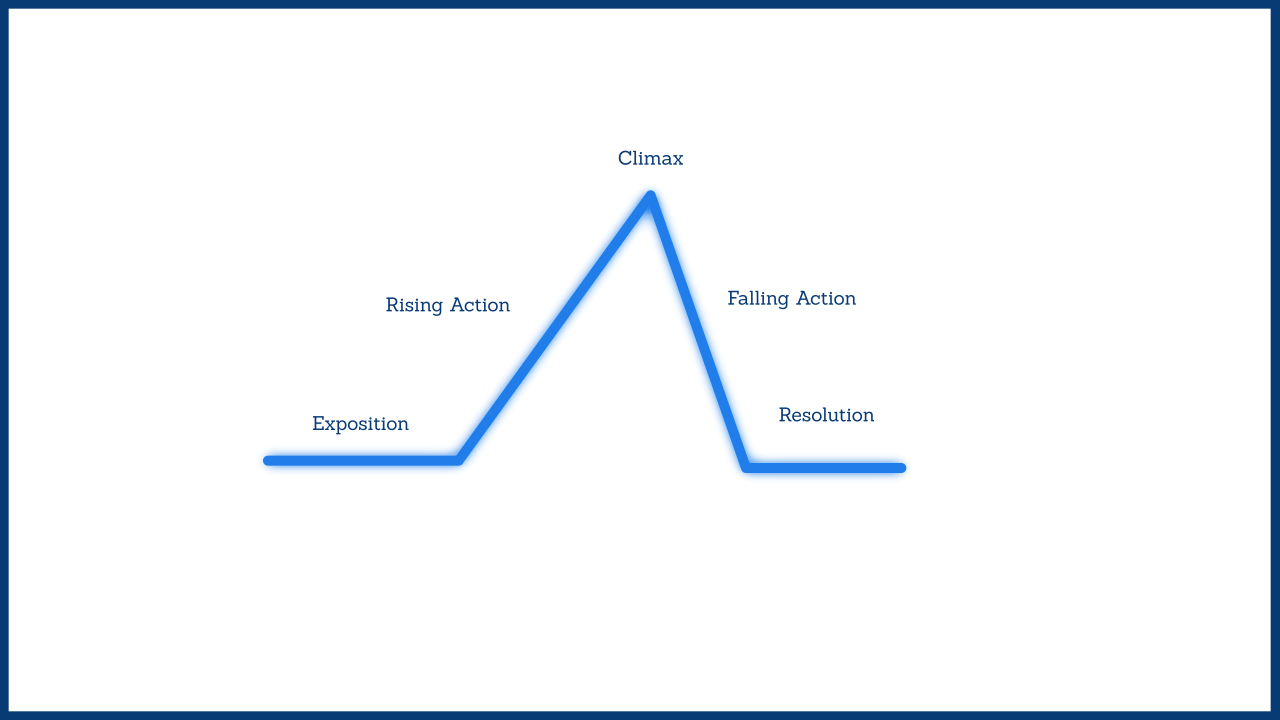
A story is: a person hits an obstacle, makes a choice, and something changes. In B2B export, that person is your customer — an importer in Germany, a wholesaler in the US, a contractor in Australia. He is fixing drawings at midnight, his supplier has delayed three times, and the goods are still not shipped two weeks before the trade show. Then he finds you.
Once the camera is on the customer, your factory, equipment and certifications have a place: they are the reason the customer's problem got solved, not the subject of the article. Readers want to know whether they could become the person in the story.
Customers forget specs, they remember stories: three source types you can use today
The Stanford study cited by PRSA is often used to make this point: in a short talk with three statistics and one small story, only 5% of the audience remembered the statistics, while more than 60% remembered the story. Your product pages are not short of specs; they are short of the thread that makes specs stick.
Three source types any exporter can pull from email and chat logs today:
- The customer's "before": What went wrong with their previous supplier? Lead time, quality, certification, damaged packaging — write one specific case.
- The action at the turning point: How the sample was revised, which version passed, how late your engineer stayed with them.
- Results you can verify: Return rate dropped from one number to another, the factory audit passed, no more stockouts in peak season. The numbers must be real, never invented.
The other two source types are emotion and pain points: what buyers fear when choosing a supplier — losing a deposit to a scam, bulk goods that don't match the sample. Say those things out loud and it beats ten lines of self-praise.
A working brand story: 5 parts, dropped into a product page
No long-form piece needed. 300–500 words below a product page, following the five parts below, reads in 40 seconds and still makes you memorable.
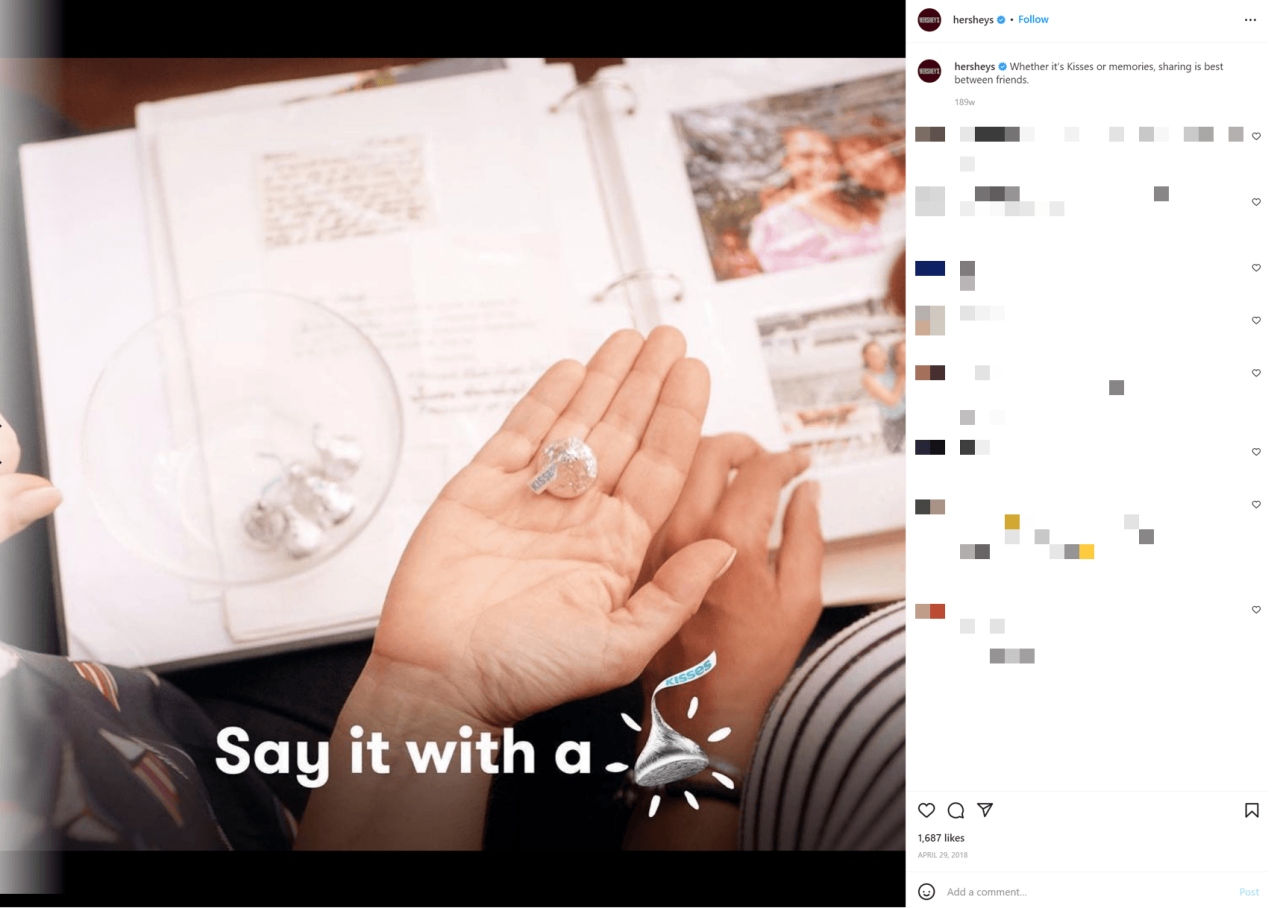
- Scene: One specific time and place. "In September 2024, a container belonging to Michal, a customer in Poland, sat at the port for 18 days."
- Obstacle: What he tried, and why it failed.
- Turn: The first thing you did after he contacted you. Not "we are professional" but "we sent 3 sample versions first."
- Result: A verifiable change, with a time frame and units.
- Callback: One line that returns the story to the reader's situation — "If lead time is your headache too, just send your specs over."
Reuse this structure in testimonials, case cards and one-liners in email signatures. The same story told across pages again and again is what sticks with a buyer.
What AI search changed in 2026: write sentences that can be excerpted
At Google I/O in May 2026, Google announced AI Mode had about 1 billion monthly users, with AI Overviews answering directly above a large share of informational queries. Pew Research measured the effect: when an AI summary appears, about 8% of users click a traditional result; without one, about 15%. Ahrefs' March 2026 study is blunter — of the URLs cited in AI Overviews, only 37.9% also appear in the top 10 organic results for that query.
That does not mean rankings are dead. Google states it plainly: AI Overviews and AI Mode need no extra structured data or special files — "good SEO is good GEO." AI simply takes pages that already rank and summarizes them. What really changed is the odds of being excerpted: whether a paragraph stands alone without context decides whether you get cited.
So write the brand story to be excerptable: open each paragraph with the conclusion, naming the customer type, the problem and the result in one sentence; avoid context-dependent references like "as mentioned above"; use the questions buyers actually search as subheads, such as "Can you handle small batch orders?" To produce content faster, see writing product descriptions with ChatGPT, but verify every fact and number yourself. If your overall traffic structure is broken, start by diagnosing why your independent site gets no traffic or inquiries.
After the story is written, get these 4 things right on the page
Good content with a slow page still brings no inquiries. Past 3 seconds of load time on mobile, about 53% of users leave (Google data). The 2026 pass mark is green on all three Core Web Vitals, and because they use a 28-day rolling field-data window, changes take 4 weeks to show up in Search Console.
| Item | 2026 standard | What happens if you skip it |
|---|---|---|
| LCP (first-screen load) | ≤ 2.5 s | A hero image set as a CSS background-image delays discovery; use an img tag with fetchpriority set to high |
| INP (interaction response) | ≤ 200 ms | GA4, Meta Pixel, live chat and popups are the main drags; defer them until the user's first interaction |
| CLS (layout shift) | ≤ 0.1 | Images without fixed width and height push the body text down |
| Inquiry form fields | Name, email, requirement — three fields | The more fields, the lower the submit rate |
Two more things easy to miss: SSL is mandatory — Chrome flags sites without it as "Not secure", which hits inquiries directly; and handle spam inquiries promptly so salespeople don't burn time on fake leads — see handling spam inquiries and comments.
Put the story where it can be seen: explaining "who you are + what you solve" within the first 3 seconds beats burying it on the third screen of "About us". For long-cycle businesses, model the structure on B2B export websites; before you write, read what three competitors' pages say and build a table with the competitor website analysis method — the gaps show up fast.
FAQ
Does a brand story have to cover the founder's background?
Not necessarily. B2B buyers care about whether you can solve their problem, and customer stories are usually more convincing than founder stories. Founder background fits in "About us" to explain why you understand this industry — under 200 words is enough.
No big-name cases yet — how does a new site tell a story?
Write about small orders. The first sample order, the first packaging change you made for a customer, the first time you joined a factory inspection — the process is convincing when it is specific. If you truly have no customers, write about the traps you hit yourself: why this industry always struggles with lead times, and what process you changed. A real process beats a polished title.
How long should the story be?
300–500 words on product pages, under 800 words on case pages, one page for About us. Keep each paragraph to 3 lines or fewer and put the conclusion in the first sentence — easier to scan, and easier for AI to excerpt.
Do I need special code on the page for GEO in 2026?
No. Google has confirmed that entering AI Overviews and AI Mode needs no extra structured data, special files or Markdown. What you do need to confirm is that the page can be crawled and indexed, and is not restricted by nosnippet, max-snippet or data-nosnippet.