

In 2026, the first thing an export website should do is not buy ads. It should build a solid organic search foundation. Google has made it clear: you do not need extra structured data to appear in AI Overviews and AI Mode. "Good SEO is good GEO." Rankings have not changed — only the shape of the results page has. AI simply summarizes pages that already rank. So traffic still comes from six sources: organic search, paid ads, email, social media, referral links and direct visits. What changed is the ranking of value for money across those six channels in 2026.
What are the six traffic sources for an export website in 2026?
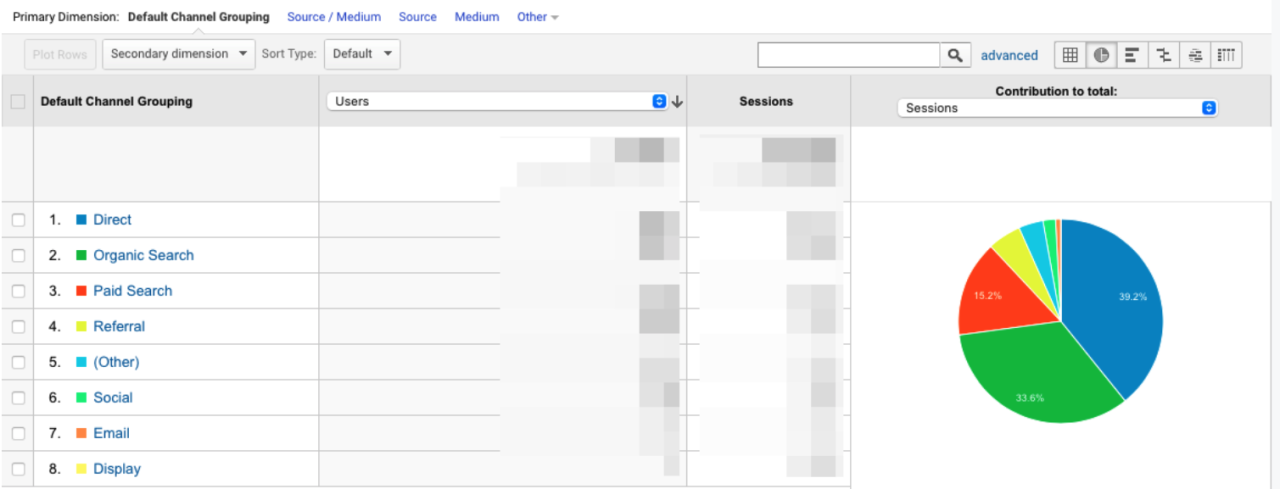
Start with a comparison table. "Time to results" and "durability" are the two dimensions export sites should care about most. Inquiry cycles are usually measured in months, so you need one channel that brings inquiries right away and one that keeps your costs down.
| Traffic source | Typical forms | Time to results | Durability | Best for |
|---|---|---|---|---|
| Organic search | Google organic results, AI Overview citations | 3–6 months | Strong | All export sites, especially those building a brand long term |
| Paid traffic | Google Ads, Facebook Ads | Same day | Weak — stops when you stop paying | Teams with a clear budget testing products or racing to a trade show |
| EDM, keeping existing customers warm | 1–4 weeks | Medium-strong | Salespeople who already have a customer list | |
| Social media | LinkedIn, YouTube, TikTok | 1–3 months | Medium | B2B teams with content capability |
| Referral traffic | Backlinks, industry directories, review sites | 2–6 months | Strong | Independent sites that want to raise domain authority |
| Direct traffic | Bookmarks, typed URLs, QR codes | Accumulates over time | Strongest | Companies with existing brand awareness |
The most underrated row is direct traffic. You don't pay for each click, and it proves customers remember your domain. But to earn it, the other five channels all have to keep running.
Why is organic search still the highest-return channel for export sites?
At Google I/O in May 2026, Google said AI Mode has about 1 billion monthly active users, and AI Overviews answer directly above a large share of informational queries. Pew Research tested it: when an AI summary appears, users click a traditional result about 8% of the time; without a summary, about 15%. Ahrefs data also shows that for queries with AI Overviews, the #1 result loses about 34.5% of its click-through rate.
Don't panic yet. Ahrefs research from March 2026 gives another set of numbers: of the URLs cited in AI Overviews, only 37.9% also appear in the top 10 organic results for that query (about 76% in July 2025), and another 31% rank outside the top 100. That means AI digs up content from deeper pages. Your product pages, spec pages and industry Q&A pages all have a shot at being cited.
Here is how to do it in four steps:
- Pull a batch of buying-intent queries with a keyword tool and group them by "product term / spec term / application scenario term."
- Open every page with the conclusion in the first paragraph. State who you are and what problem you solve so AI can quote it easily.
- Check that pages are crawlable and indexable, and not blocked by nosnippet or max-snippet limits.
- Keep building backlinks — how to build English backlinks for your export site has an actionable checklist.
Don't neglect the technical basics either. Core Web Vitals targets are LCP ≤ 2.5s, INP ≤ 200ms and CLS ≤ 0.1. If mobile load time passes 3 seconds, about 53% of users leave. Use an img tag with fetchpriority="high" for the hero image, and hard-code width/height on every image — that fixes LCP and CLS at the same time.
How do you spend on paid traffic without wasting budget?
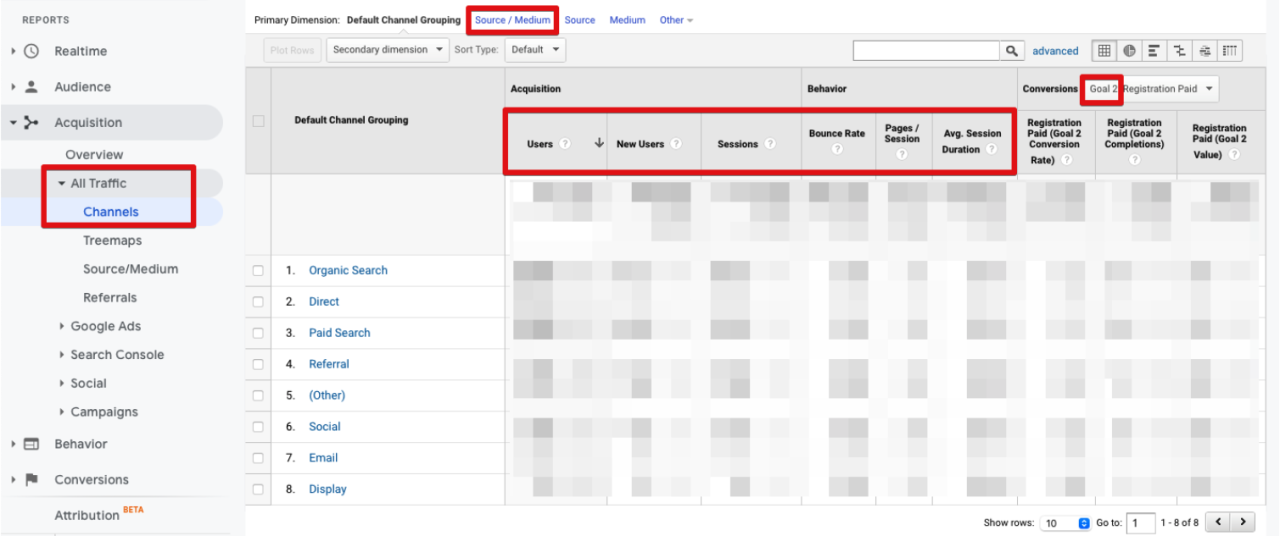
Paid traffic is fast but expensive, and it stops the moment you stop paying. It is not unusual for a small or mid-sized export company to spend over USD 10,000 a month on PPC, so the landing page has to be right before you launch. If the landing page doesn't match the ad, visitors bounce and your money is gone.
Three actions matter most: fill out every ad extension; split keywords by intent, putting product terms and quote terms in separate ad groups; and make the landing page explain who you are and what you solve within 3 seconds, with a form that asks only for name, email and requirement.
If your site already has a conversion problem, don't add budget yet. Work through why your export site gets no traffic or inquiries item by item — far cheaper than blindly scaling spend.
How should email and social media work together?
Email is the steadiest channel for value. B2B cold email reply rates average about 1%–5% across the industry; with a precise list and short copy you can hit 8%–15%. The key is a tight list and short copy. Each email should push one action only, use a button CTA, and be designed mobile-first — most business email is opened on a phone.
Deliverability comes first. If your domain lacks SPF, DKIM and DMARC, even great copy lands in spam. Use Google Postmaster Tools to check deliverability.
Social media gets you seen; email gets you remembered. LinkedIn suits B2B decision makers, YouTube suits showing factories and processes, TikTok suits consumer products. A steady posting rhythm beats ten posts at once. Some social traffic gets recorded as undefined source — that's normal, so don't write off its value.
How do referral and direct traffic build up step by step?
Referral traffic comes from other sites linking to you. It can be a paid partnership or free coverage. The approach is simple: submit to industry directories and relevant B2B platforms; get mentions on review sites; pitch articles to trade media; work with overseas influencers.
At the same time, monitor who links to you. If low-quality or irrelevant sites cite you, deal with it promptly. To find opportunities faster, see how to get your competitors' backlink sources and turn the sources they've already validated into a list to work through one by one.
Direct traffic is a result, not a tactic. When customers bookmark your site, scan your QR code or paste your link into a chat, it registers as a direct visit. It takes all five other channels pulling together, plus your brand name being mentioned repeatedly in the industry.
One last reminder: SSL is now table stakes. Chrome flags sites without SSL as "Not secure," which directly hurts inquiries. Get the technical foundation right at build time — it's less work than fixing it later. See key configuration points for export website building services.
Frequently asked questions
For an export site in 2026, should I do SEO first or run ads first?
If budget allows, do both: ads cover cash flow for the first 3 months, SEO cuts costs after 6 months. If budget is tight, start with SEO and run a very small brand-term ad test to check landing page conversion.
Will AI Overviews wipe out organic traffic for export sites?
No. Click-through rates do fall, but cited pages still generate brand exposure and direct visits. The key is making pages crawlable, leading with conclusions and being specific — that's what earns an AI citation.
Does email marketing still work for export B2B?
Yes, and the returns are steady. Industry-average cold email reply rates are about 1%–5%; with a precise list, short copy and one clear action, you can reach 8%–15%. The prerequisite is getting deliverability configured properly.
I have traffic but no inquiries — where's the problem?
Usually the landing page: the first screen doesn't say who you are, product pages lack spec tables and MOQ, or the form has too many fields. Fix those three first, then think about adding traffic.