There is a reliable three-step way to price an export website: use cost-plus to work out your floor, benchmark against competitor quotes to set your range, then add margin based on perceived customer value. In 2026 exports you don't have to publish prices to everyone, but your quoting logic has to be clear. Get these three steps right and you won't take orders at a loss or scare inquiries away.
Which pricing model should your export site use? Start with this table
A pricing model is the set of rules that decides what your online store charges. It combines four inputs — production cost, market demand, competitor quotes and perceived customer value — instead of guesswork. Pick the right model and every quote has a basis. Pick the wrong one and you either lose your margin or lose every inquiry.
The table below lines up the six models most common on cross-border B2B and B2C sites in 2026. Work through it against your own category.
| Pricing model | Where it fits | What it's based on | Main risk |
|---|---|---|---|
| Cost-plus | New sites, standardised categories | Landed cost × markup | Ignores what the market will bear; thin margin |
| Value-based | Branded products with a technical edge | What customers will pay for the outcome | Needs time for customer research |
| Competitor following | Heavily commoditised red-ocean categories | Competitors' published quotes | Slides into a price war |
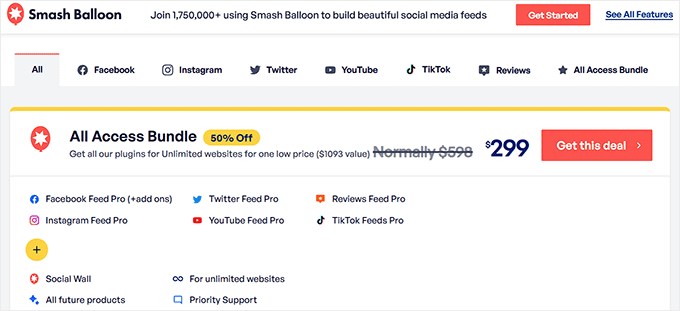
| Tiered volume pricing | B2B wholesale, OEM custom work | Lower unit price at higher volume | Complex quote sheets; sales staff make errors |
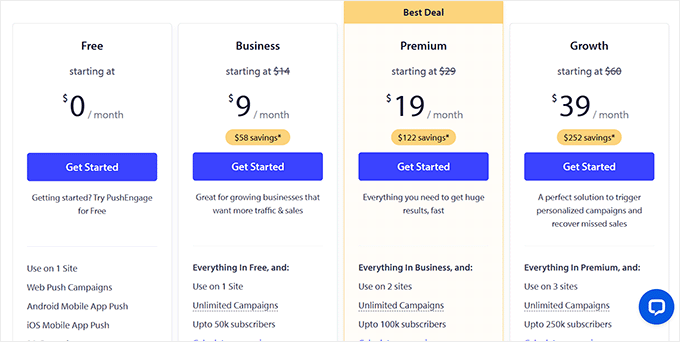
| Annual subscription | Consumables, software, maintenance | Monthly or annual fee | Renewal rates are hard to control |
| Freemium | Lead-gen tools, samples | Free basic tier, paid premium tier | Free users' costs can run away |
No model is right forever. A common mix on one site: traffic-driving SKUs follow competitors, flagship SKUs use value pricing, repeat customers get tiered volume. Repeat customers deserve the extra effort — the industry rule of thumb is that winning a new customer costs about 5× as much as keeping an existing one.
Cost-plus pricing: 3 steps to your price floor
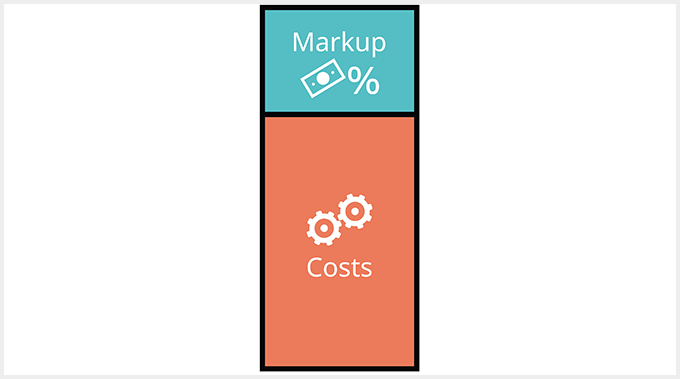
Cost-plus is the simplest calculation: total cost × (1 + markup). Total cost isn't just the ex-works price — add packaging, first-leg sea freight, payment fees and allocated overhead. Quoting off the ex-works price alone is the most common way to lose money.
- Step 1: work out landed cost. Ex-works price + packaging + first-leg freight + insurance + destination port charges, divided by the actual quantity shipped.
- Step 2: add allocated operating costs. Sample fees, certification, sales commission, payment gateway fees — spread across every unit each month.
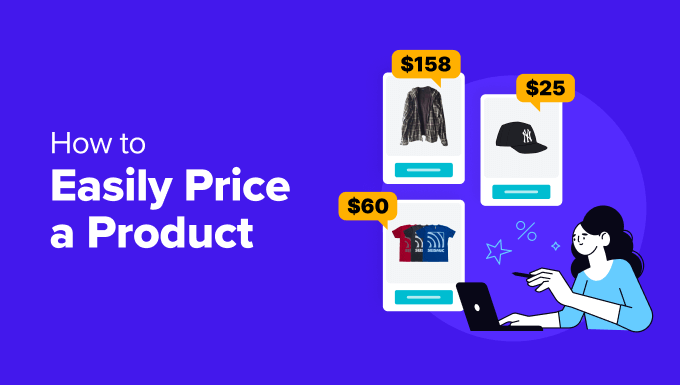
- Step 3: set your markup. The original example: a T-shirt costs USD 25 and sells for USD 30, earning USD 5 per unit.
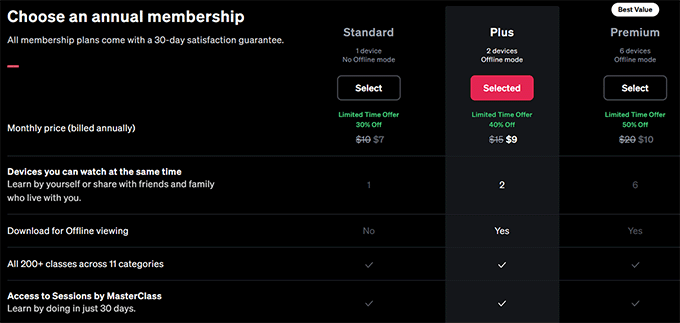
The advantage is speed — you can price dozens of SKUs on launch day. The drawback is that it ignores the market entirely. If a buyer sees the same item cheaper on the search page, your USD 30 won't hold. So use cost-plus as your floor, never as your final quote.
Value-based pricing: how to justify a quote 30% above competitors
Value pricing ignores your costs and looks at how much money your product saves the customer, earns them, or keeps them out of trouble. The original article points to Apple's iPhone, iPad and MacBook — priced on perceived value, not production cost.
In B2B, perceived value has to rest on evidence: third-party test reports, delivery records from similar customers, a stated warranty period, technical answers within hours. Written on the product page as checkable specifics, these beat ten lines of “high quality”.

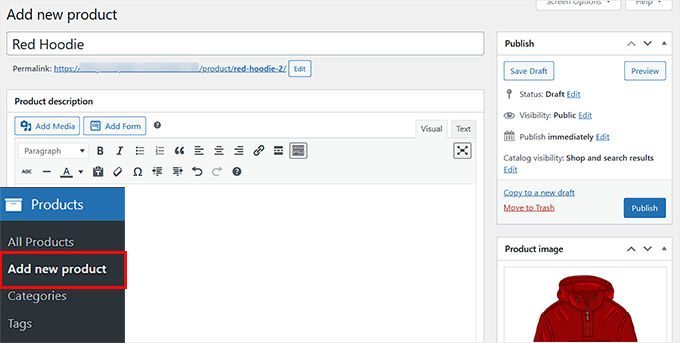
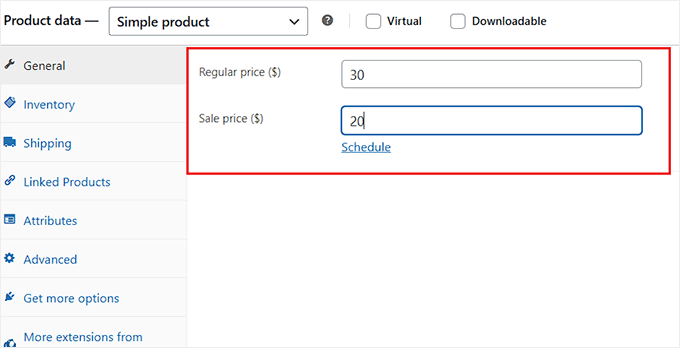
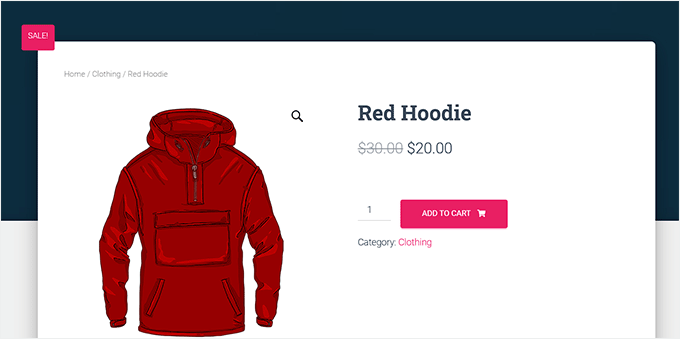
The barrier is research. You need to know whether the purchasing manager cares most about lead time, certification or payment terms. The answer changes the quote structure: lead-time buyers can be offered “standard lead time price + expedite fee”; cash-flow-sensitive buyers can get tiered volume pricing. For page structure, copy the product page layout in B2B export websites and put price and terms on the same screen.
Competitor-based pricing: when to benchmark and when to stay away
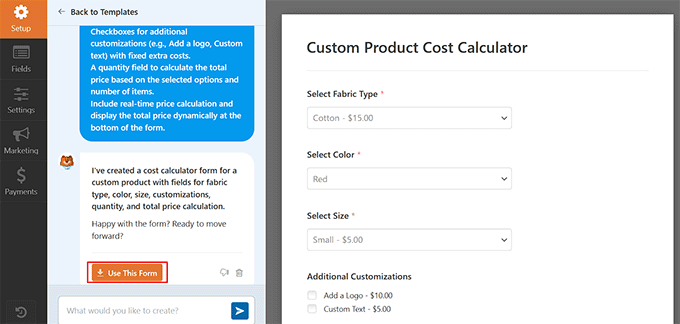
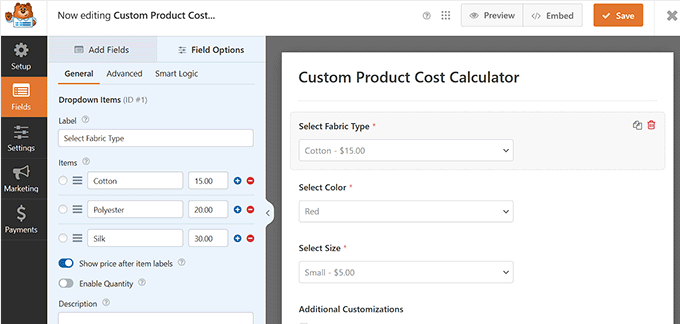
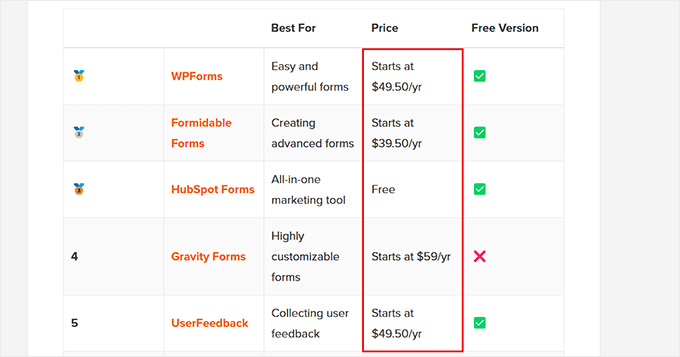
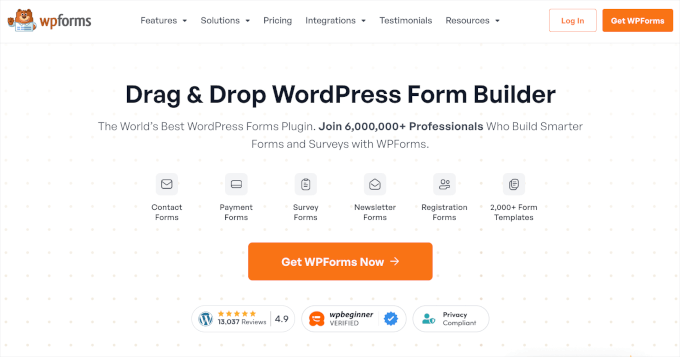
Competitor pricing anchors on rivals' published quotes. The original example is contact form plugins: mainstream products mostly sit between USD 30 and USD 60, and prices converge — classic competitor following.
The trouble is that following too closely leaves nothing but a price war. Cutting 5% takes one email; raising it back takes six months. Worse, attention shifts to who is cheaper, your differentiators go unsaid, and inquiry quality drops with it.
Used properly, you take competitor prices apart. With the method in improving your own site by analysing competitor websites, record their pricing page, MOQ, certification list, lead times and freight terms line by line, build a comparison table, then decide where you stand: enter low, or match the price with better terms.
Once your price holds, get more people to see the page. Competitors ranking above you usually have thicker backlinks and content, not lower prices. See how to get competitors' backlink sources to close the visibility gap — only then does your pricing get compared.
After pricing: 5 things your site must get right
Accurate pricing is wasted if the page can't explain it. In 2026 the converting moments on an export site are few — checking each one beats endlessly reworking prices.
- Say who you are and what you solve within 3 seconds of the first screen. A purchasing manager won't scroll three screens for the answer.
- Product pages need a spec table and MOQ. Without them, buyers can only email to ask, and the conversion chain breaks on the spot.
- Keep the inquiry form to three fields: name, email, requirement. More fields mean fewer submissions.
- Install SSL. Chrome flags sites without it as “Not secure”, and inquiries drop to zero.
- Serve the hero image with an img tag and fetchpriority="high", not a CSS background. Set width and height on all images and keep LCP under 2.5 seconds, INP under 200 milliseconds and CLS under 0.1.

Google's data shows about 53% of mobile users leave a page that takes more than 3 seconds to load. That hits inquiry volume harder than any pricing tactic. If you have traffic but no inquiries, work through the sequence in why your export website has no traffic or inquiries first, then question your prices. When choosing a site build, compare version and price comparison and factor in performance plus ongoing maintenance costs.
How AI search rewrote the pricing page in 2026
Google I/O 2026, announced in May, put AI Mode at roughly 1 billion monthly users, with AI Overviews answering directly above many informational queries. Pew Research measured clicks on traditional results at about 8% when an AI summary appears, versus about 15% without. Ahrefs' March 2026 study is blunter: only 37.9% of URLs cited in AI Overviews also appear in the top 10 organic results for that query.
That doesn't mean rankings are dead. Google states it plainly: no extra structured data or special files are needed to appear in AI Overviews and AI Mode — good SEO is good GEO. AI simply summarises pages that already rank. For queries with an AI Overview, the top result loses about 34.5% of clicks, so your page has to be quotable directly.
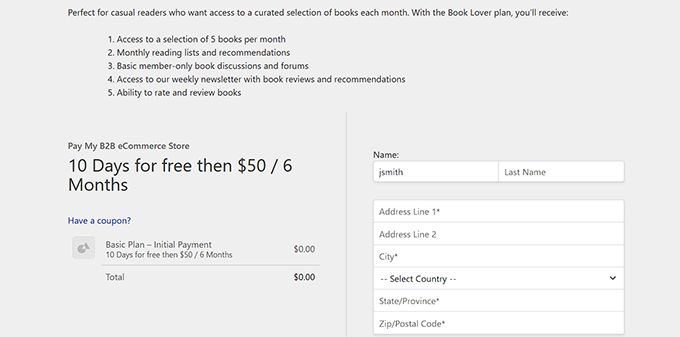
On a pricing page, that means replacing vague claims with complete, extractable sentences. Don't write “competitive prices, contact us”. Write “MOQ 500 units for this model, FOB reference price and lead time in the table below, samples ship in 7 days”. Those are the sentences AI summaries pick up. For multilingual product descriptions, batch the work with the methods in tips and caveats for writing articles and product descriptions with ChatGPT, but check prices and terms by hand.
Common questions
Should an export website publish prices?
For B2B, publish a reference price range + MOQ + lead time and keep exact quotes for after the inquiry. Publish nothing and buyers assume you're dearer than rivals; lock in one price and you're stuck when raw material costs move.
How do I set the markup in cost-plus pricing?
Work backwards from your target gross margin; don't copy a competitor's percentage. Calculate your floor from cost, then look at the competitor range. If your floor is already above their ceiling, your supply chain or category is the problem — changing product beats changing price.
A competitor cut prices. Should I follow?
First check which configuration they cut. Most cuts hit entry-level models or small-volume tiers. You can hold your flagship price, launch a separate traffic-driving SKU to match, and thicken the evidence behind your flagship's value.
How often should I review the pricing page?
Quarterly is a good default; monthly for categories with volatile raw material and freight costs. Review inquiry volume, quote conversion rate and average order value together — watching one alone misleads.